What local codes and HOAs actually require, and how to stay on the right side of both.
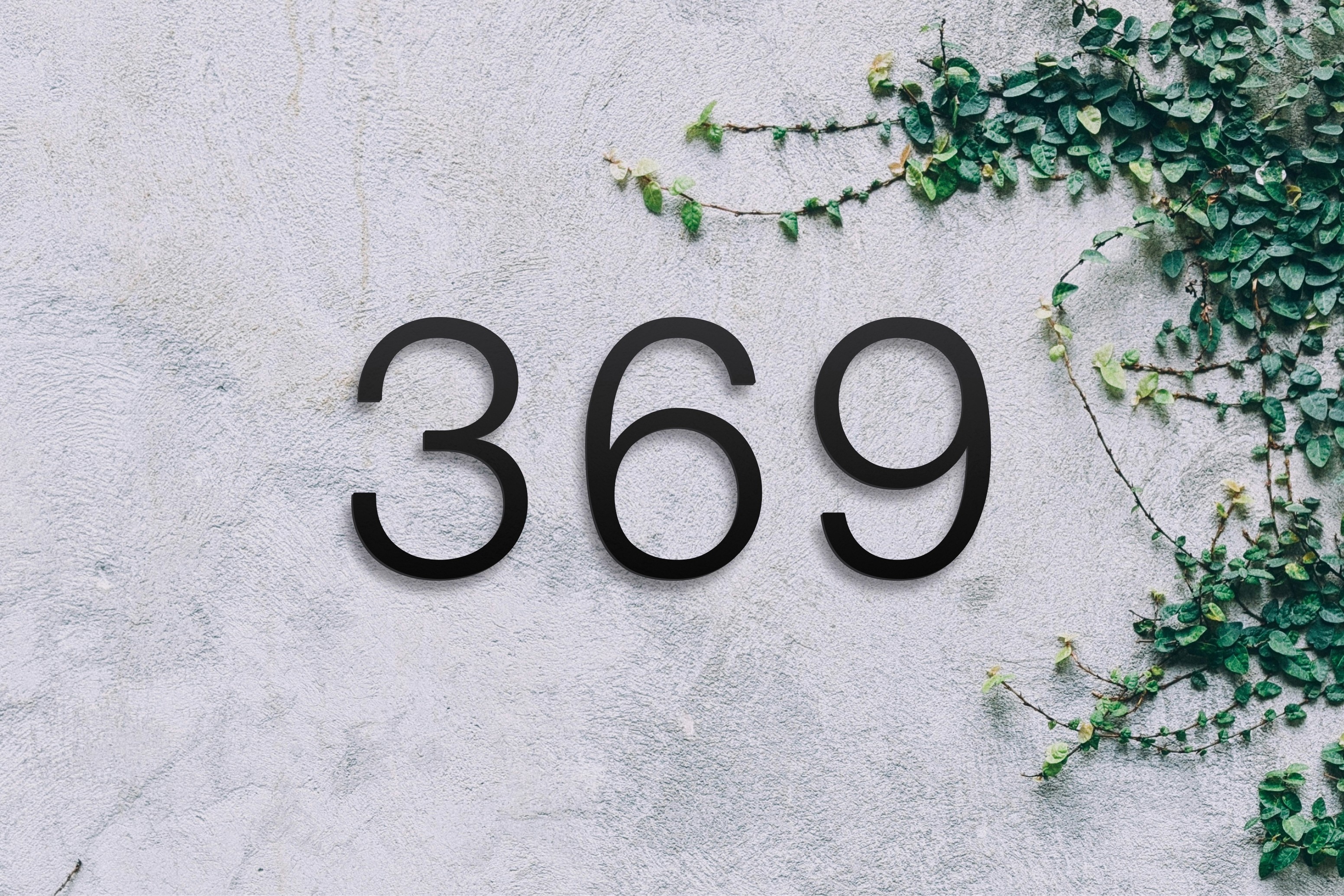
SHOWN IN Helvetica · 10"
Beautiful house numbers are great. Beautiful house numbers that you can actually read from the street, that meet your local code, and that don’t land you a fine from your HOA? Even better.
The good news is that most of the rules around house numbers are really just common sense with a formal name. Here’s what you need to know.
How to Find Your Local Requirements (It’s Easier Than You Think)
Your city or municipality website is the official source for address number guidelines. Look for the building code or bylaw section. You can also try a quick search, or use this prompt with your AI assistant of choice:
“What are the legal requirements for home address numbers in [your city]?”
It works surprisingly well and can save you a lot of digging.
Sometimes these guidelines get specific, dictating minimum and maximum size, preferred materials, mounting location, and occasionally even font styles or colour combinations that are required or prohibited.
If you live in an area managed by a Strata or HOA, this research is especially important. Getting it wrong can mean complaints, fines, or worst of all, missed pizza delivery.
The Common Sense Rules (That Most Codes Are Actually Based On)
Across every guideline we’ve encountered, the underlying logic is consistent. Here’s the short version:
Legibility First
Your house numbers must be clearly visible and readable, especially in low-light conditions or bad weather. This is the foundational requirement everything else flows from.
Size: Bigger Than You’d Think
Most codes recommend a minimum of 4 to 5 inches tall. For the record, our numbers start at 6 inches, because we’d rather you err on the side of visible. Numbers need to be readable not just when someone is standing at your door, but from a passing vehicle.
High Contrast: Make Them Pop
Choose a number colour that stands apart from your mounting surface. Dark numbers on a light wall, light numbers on a dark wall. High contrast improves legibility at distance, at night, and in poor conditions, and it almost always looks better aesthetically anyway.
Placement: Location, Location, Location
The ideal location is near your front door, visible from the street. If your home is set back from the road, consider adding numbers to a mailbox, post, or a prominent fence location. In some areas, this may actually be legally required.
Avoid cluttered or obscured placements. Numbers half-hidden by landscaping, or mounted in a spot that only makes sense from the driveway, defeat the whole purpose.
Lighting: Don’t Forget After Dark
Make sure your numbers are visible at night. Overhead entryway lighting is the most common solution, but ambient light from inside the home, pathway lighting, or solar post lights can all do the job. If emergency services ever need to find your home in the dark, you’ll be glad you thought about this.
Why It Actually Matters
Visibility guidelines exist for a reason, and it goes beyond property aesthetics. Emergency responders, delivery drivers, and visiting guests all rely on your house numbers being clear and findable. A few minutes of research and a thoughtful installation choice can make a real difference.
The good news: when you get it right, you don’t have to choose between practical and beautiful. The same numbers that make your home easy to find can also make it look great.
Now that you know the rules, go make something worth finding.